Toby Sellers | CEO, Bastion Aotearoa
One of the most common challenges for New Zealand marketers is also one of the least talked about (at least publicly).
You’re working with a global brand. The positioning is strong. The platform has been tested across dozens of markets. The assets are polished; the strategy is clear. But when you put it in front of a New Zealand audience, something doesn’t quite connect. It’s not wrong. It just doesn’t feel like home.
The question then becomes: do you run the global work and hope it lands? Do you push back and try to do something entirely different? Or is there a third option: finding something culturally true that makes the global idea matter here?
That’s the question we were trying to answer with Volvo.
A strong platform that needed a local heartbeat
Volvo’s global brand platform is “For Life.” It’s built around three ideas: personal, sustainable, safe. It works across markets. Our opportunity therefore wasn’t to change the platform, rather find a way to make “For Life” feel unmistakably Kiwi.
So, we started with a simple question: what does “life” actually mean here?

It starts with nature
In New Zealand, nature is at the core of our identity. David Thomason has long talked about our relationship with the land as one of the country’s fundamental cultural codes. He’s right. And so, when we think about the good life as Kiwis, we often imagine the outdoors. The beach after work. The trail twenty minutes from the office. The bach a short drive up the coast. Getting into nature here doesn’t require a week off and a long-haul flight. It happens on impulse. One moment you’re in the everyday. The next, you’ve got away.
That’s the shift we wanted to capture. The feeling of deciding to escape and almost immediately being there. In a country where nature is this close, that frictionless transition is what matters. And that’s what we thought Volvo should connect to.
When the brand truth and the cultural truth line up
What made this work wasn’t just the insight. It was the fact that Volvo’s product genuinely delivers on it.
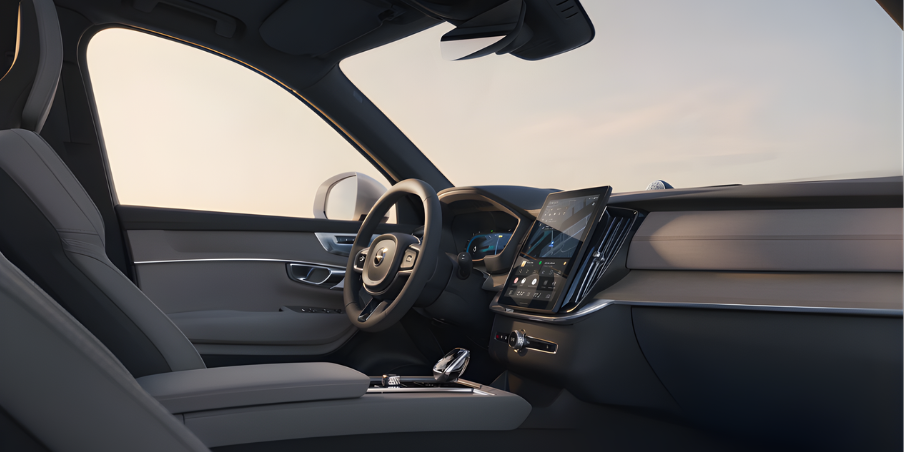
The cabin is built around Scandinavian minimalism. Soft colours, considered materials, calm lighting. Everything about the interior is designed to reduce friction and create presence. You get in, and the shift in headspace starts before you’ve left the driveway.
And as Volvo pushes further into electrification, there’s a natural connection to treading lighter on the places we’re escaping to.
The global platform didn’t need to change. It just needed to be expressed through the lens of how New Zealanders actually experience life. Not getting away from life. Getting to the part of it that matters.
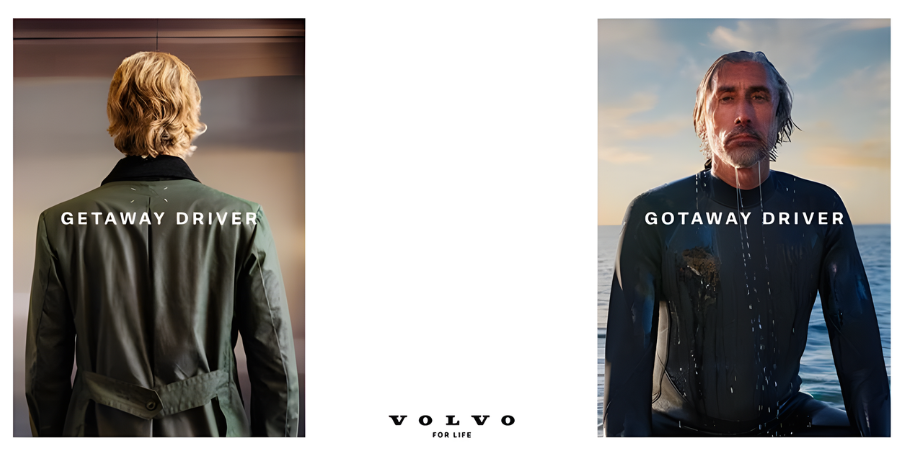
Getaway. Gotaway.
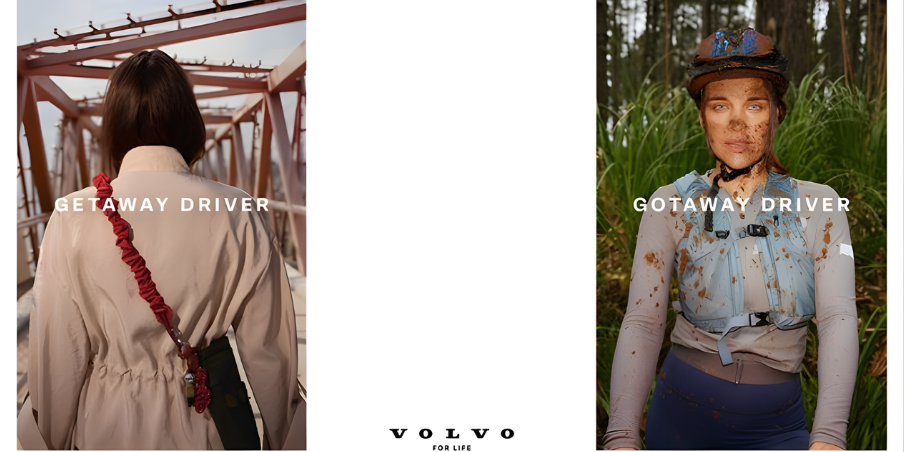
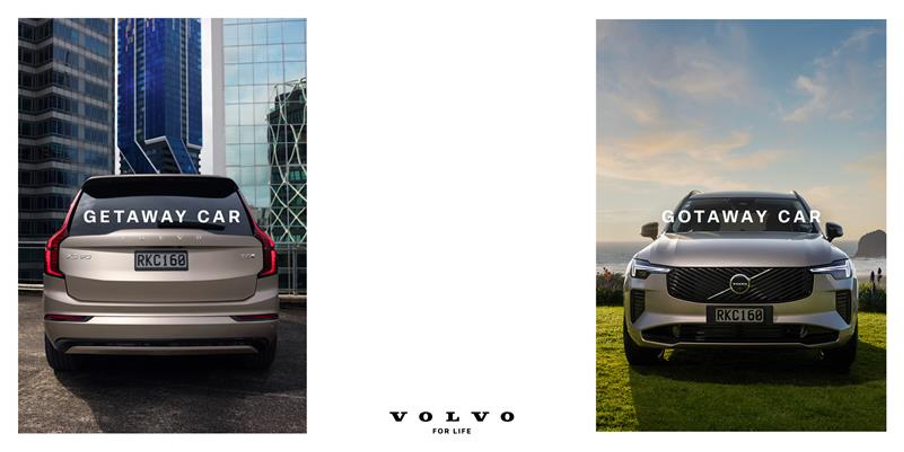
That thinking led to the campaign we launched with NordEast and Volvo NZ last year. The idea was to dramatise that transition: the moment of decision and the moment of arrival. Your Volvo isn’t just a car. It’s a getaway car.
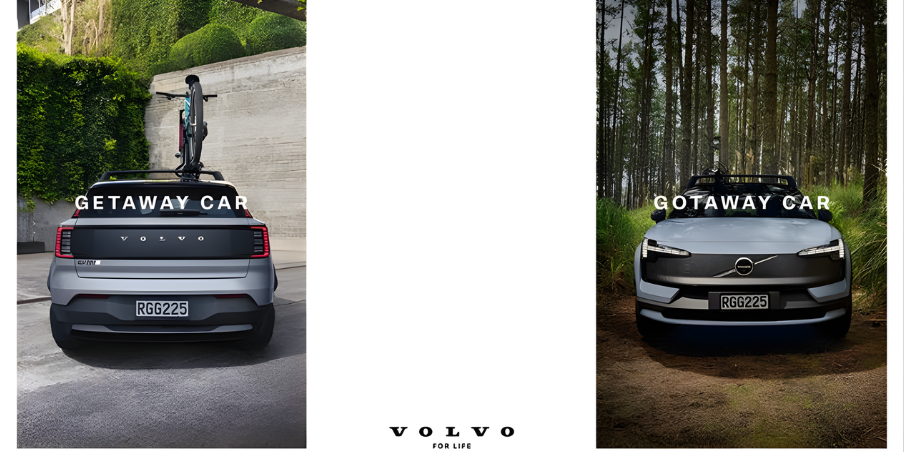
As Bastion Aotearoa Chief Creative Officer, Oliver Green put it at the time: “the more frictionless your access to nature, the better you’re doing.”
The campaign ran across outdoor, social, digital, and broadcast with our media partners at Together. Volvo has had a stunning turnaround in performance since the campaign went live.
Volvo has seen an increases in spontaneous awareness, familiarity, and purchase intent since the launch of the campaign. Most importantly, Volvo achieved a 41% YoY increase in sales.
The question every global brand should be asking here
Dane Fisher, General Manager at NordEast put it well when the campaign launched: “It captures what Volvo truly means to customers in New Zealand. At its heart is a deep appreciation for nature, their customers’ true luxury.”
I think that’s the question every global brand working across markets should be asking. Not “how do we adapt the global work?” but “what’s true here that makes the global idea matter more?”
New Zealand is unique. The way we live here, what we value, what aspiration actually looks like is different. The global brands that figure that out will always connect more deeply with their customers than the ones simply running the playbook unchanged.